Salsa Fundamentals Over 45: What You Need to Know
Salsa looks complex but isn't when you break it down. Discover the core steps, timing, and partner connection that make salsa rewarding for mature beginners.

If you've watched salsa dancers and thought "I could never do that," you're not alone. But here's the thing — salsa isn't about being young or naturally gifted. It's about understanding a few key principles and practicing them consistently. We've worked with hundreds of people over 45 who came in thinking they couldn't dance, and most of them were performing in front of audiences within a few months. It starts with knowing what you're actually trying to learn.
The Basic Step: Breaking Down the Pattern
Salsa is built on a simple foundation — the basic step. It's a forward-back-forward movement that repeats to the beat. You're not doing 47 different moves at once. You're doing one move, eight times, until your body knows it without thinking.
The pattern goes like this: step forward on beat one, bring your back foot to meet it on beat two, step in place on beat three. Then reverse — back, together, in place. That's it. That's the foundation. Most people spend their first two or three weeks just getting this solid, and honestly, that's exactly what should happen. Your body needs time to understand the rhythm before you add turns or spins.
Key Point: The basic step takes about 6-8 weeks of regular practice (2-3 sessions per week) before it feels natural. Don't rush this phase.

Partner Connection: More Important Than You Think
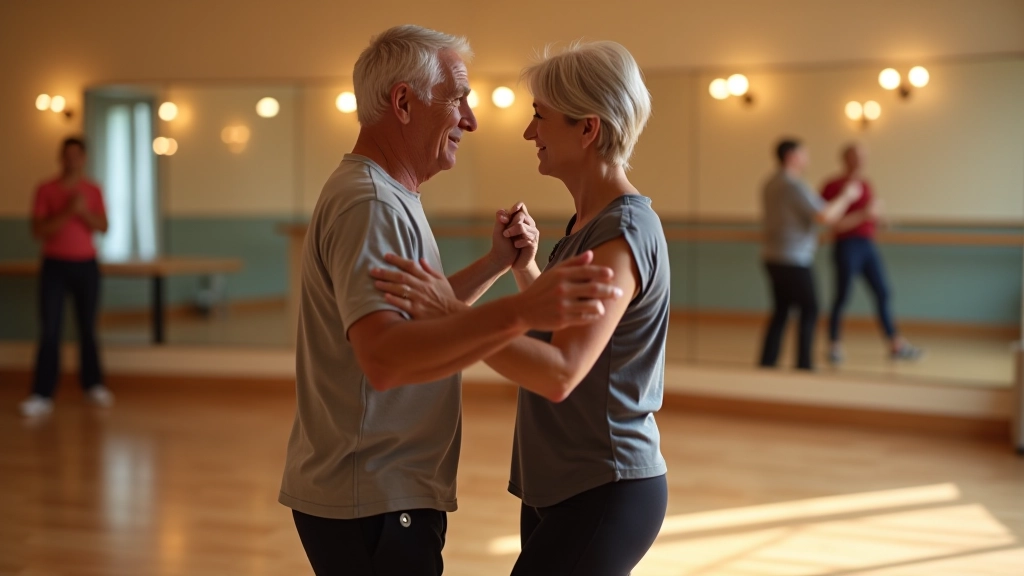
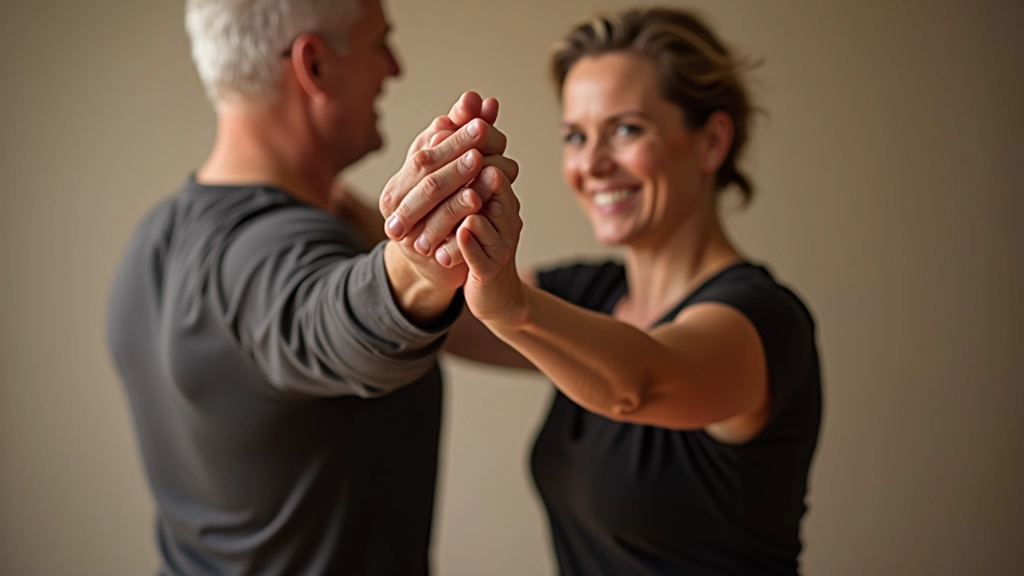
Here's what separates okay dancers from really enjoyable partners — connection. You're not just holding someone's hand. You're creating a communication system where your partner can feel where you're going before you get there. This is huge for beginners over 45 because it means you don't need to be memorizing sequences. Your partner is literally guiding you through the dance.
Connection starts with frame. That's the structure of how you hold your partner. You'll keep your right hand on their left shoulder blade (not too low, not too high), and they'll hold your left hand at about shoulder height. It sounds specific because it is. When the frame is right, your partner can feel your weight shifting. They know when you're about to turn. They can follow without you saying anything. We spend probably 20-30% of the first month just working on frame because everything else depends on it being solid.
Timing and Music: Listening to the Clave
Salsa music has a specific rhythm underneath it called the clave. It's a five-beat pattern that repeats, and once you hear it, you'll hear it in every salsa song. It's not complicated — it's actually quite regular. Most beginners get confused about timing because they're listening to everything at once. Drums, brass, bass, vocals. But what you really need is to find that clave rhythm.
Don't worry if this takes a few weeks. Your ear will adjust. Honestly, most people don't consciously "hear" the clave — they just start feeling it in their feet. That's when you know you're getting it. And once the music clicks, everything else gets easier. The steps don't feel random anymore. They feel connected to something real.
Listening Practice Tips
- Listen to salsa music daily, even while doing other things
- Count along to the beat: 1, 2, 3... 5, 6, 7... (skip beat 4 and 8)
- Watch videos with the volume on and try to feel the pattern
- Don't overthink it — your body learns timing faster than your mind
Physical Conditioning: What Your Body Needs
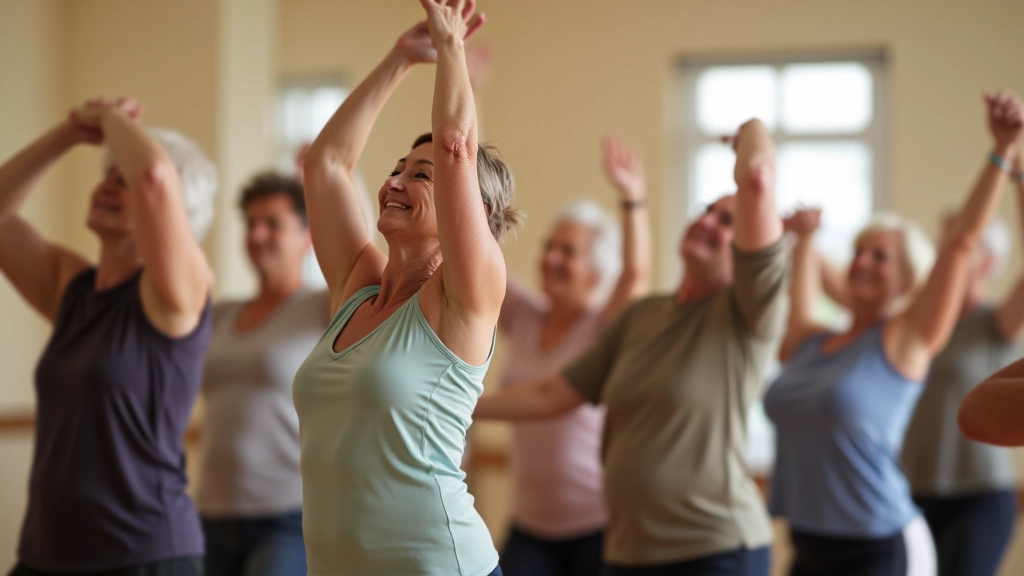
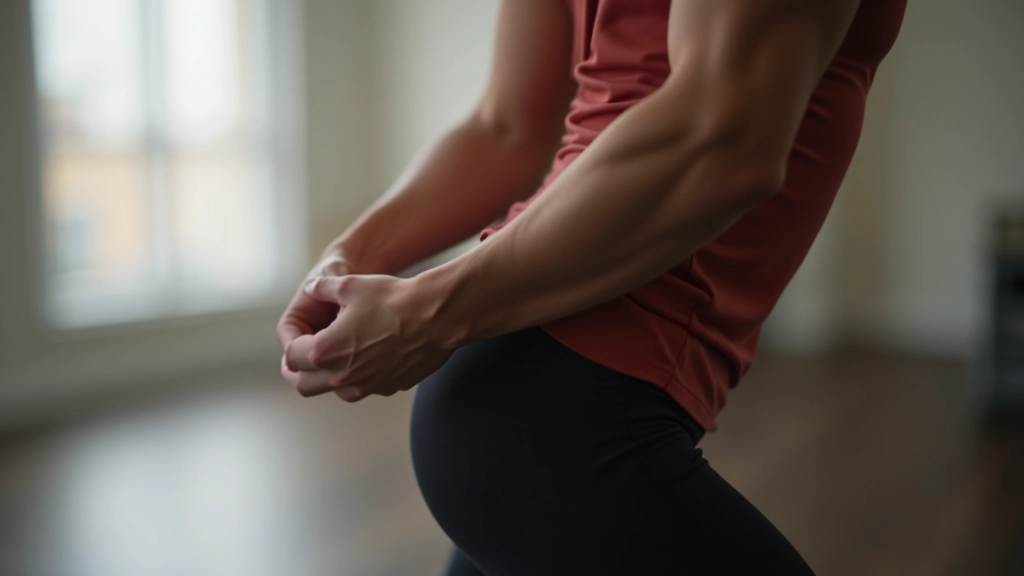
Salsa isn't just dancing. It's a physical activity that uses your core, your legs, your balance, and your coordination. If you've been fairly inactive for a few years, you'll feel it. That's actually good — it means you're working. Most people see real improvements in their balance and leg strength within 4-6 weeks of regular dancing.
You don't need to be super fit to start. You need to be willing to show up consistently and let your body adapt. We always recommend warming up before class — 5-10 minutes of light movement to get your heart rate up. Stretching after is important too, especially if you haven't danced in a while. Your hips and hamstrings will definitely remind you they're working.
Educational Note: This article provides educational information about salsa fundamentals for beginners over 45. It's intended to give you an overview of what to expect when learning salsa. Every person's experience with dance is individual — your progress may differ based on your fitness level, prior dance experience, and practice frequency. If you have any physical concerns or health conditions, consult with a healthcare professional before starting a new physical activity. This content is informational and doesn't replace personalized instruction from a qualified dance instructor.
Getting Started: The Real Path Forward
Learning salsa over 45 isn't about becoming a professional dancer. It's about understanding a few fundamental concepts and practicing them until they become automatic. The basic step, proper frame, listening to the music, and taking care of your body physically — these are your foundation.
Most people are ready for their first social dance after about 8-10 weeks of consistent practice. You won't be perfect. You'll probably forget the steps halfway through a song. But you'll be out there, moving, connected with your partner, and having a genuinely good time. That's what matters. The rest builds from there.
The hardest part is showing up for that first class. After that, it's just practice and patience. You've got this.