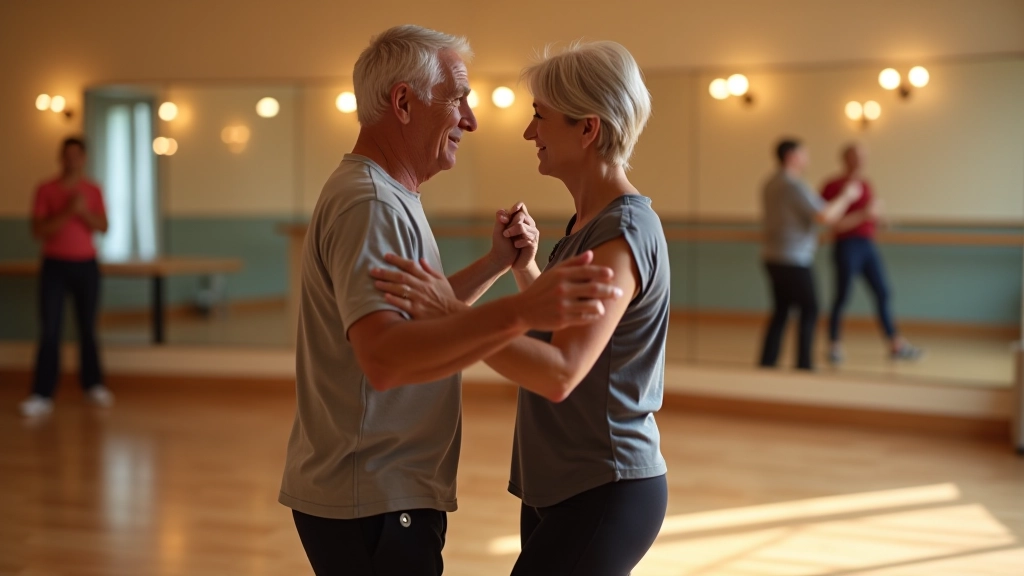
First Steps in Bachata: A Beginner's Introduction
Learn the basic rhythm, frame, and foundational steps that form the core of bachata dancing.
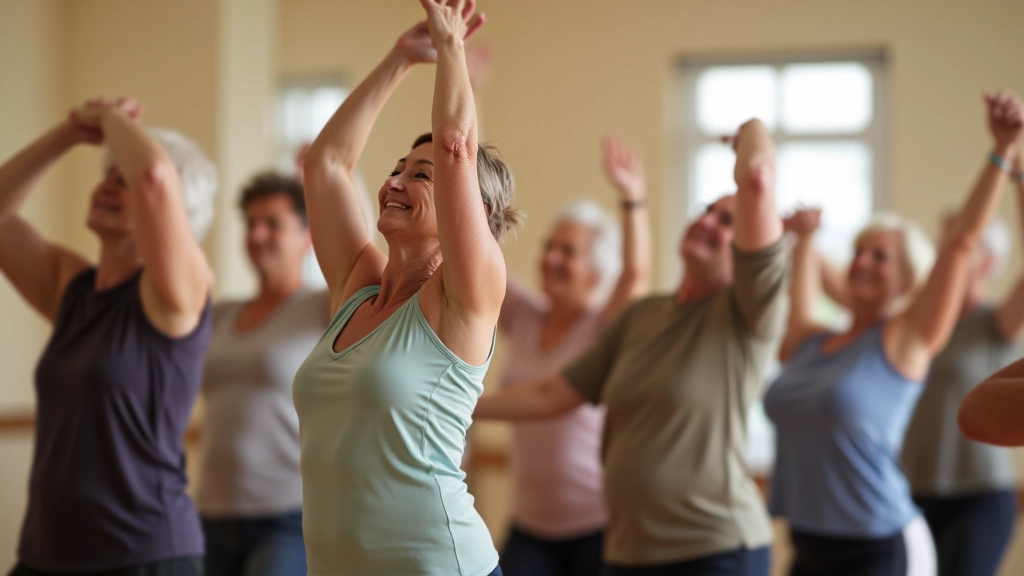
Better balance, improved heart health, enhanced mood, and stronger social connections. We explore what the science actually says about why dancing is so good for active Irish adults over 45.

If you're over 45 and thinking about taking up dancing, you're making a decision backed by solid research. It's not just about having fun on a Saturday night — though that's definitely part of it. Studies show that regular dancing provides real, measurable health benefits that rival many traditional exercise programs.
The beauty of dancing is that it doesn't feel like exercise. You're focused on the music, the steps, and connecting with your partner or the group around you. Your body gets a complete workout without the monotony of a gym routine.
Dance is an excellent cardiovascular activity. Research from universities across Europe shows that social dancing — particularly styles like salsa and bachata — elevates your heart rate into the aerobic zone. You're talking about 4-6 metabolic equivalents (METs) of intensity during a typical class session.
What's impressive is that this isn't jarring impact like running. Your joints get the cardiovascular benefits without the pounding. Most people notice their resting heart rate drops after just 8-12 weeks of regular dancing. Your cardiovascular system becomes more efficient.
Studies also show improved blood pressure and cholesterol profiles in regular dancers over 45. One study tracked 60 adults aged 50-70 over 24 weeks of twice-weekly dance classes — they showed measurable improvements in aerobic capacity comparable to traditional cardio programs.
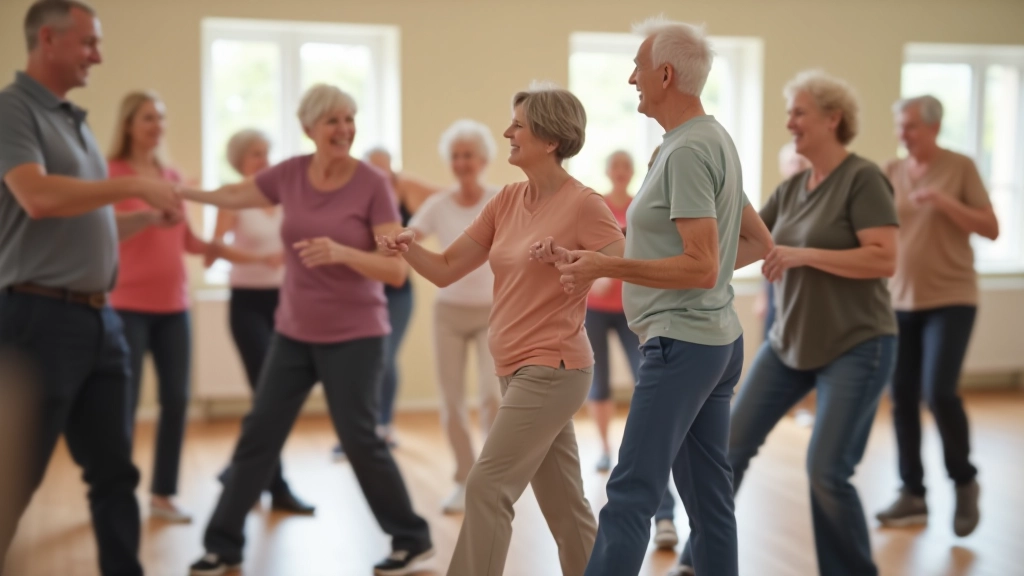
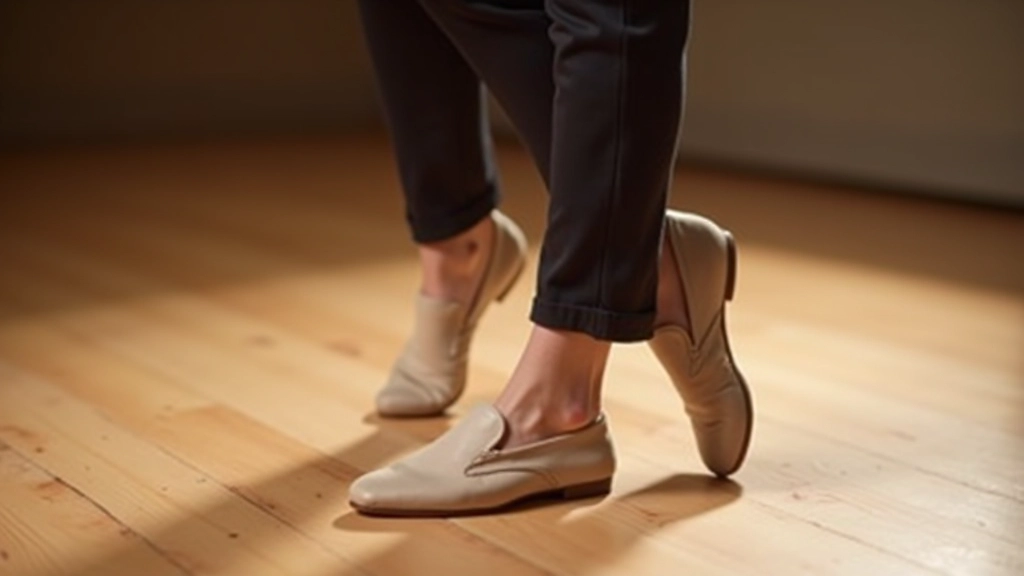
Falls are one of the leading health concerns for people over 65. Dance training addresses this directly. Every time you're learning steps, shifting weight, and responding to music, you're training your proprioception — your body's sense of where it is in space.
Research from aging studies shows that dancers have significantly better balance and fall prevention compared to non-dancers. The footwork patterns, weight transfers, and directional changes strengthen the stabilizer muscles in your ankles, knees, and core. Most people report feeling more confident and steady in everyday life after 6-8 weeks of classes.
It's not dramatic or showy — it's just practical. You become more stable on stairs. You're less likely to lose your footing. Your reaction time improves because your nervous system is getting trained constantly.
This is where dancing really shines for people over 45. You're not just exercising — you're engaged socially, mentally challenged, and creating something beautiful with music and movement. All of that matters.
Studies consistently show that dance improves mood. The physical exertion triggers endorphins, yes, but there's more happening. You're learning, which keeps your brain active. You're social, which combats isolation. You're creating rhythm and pattern, which is deeply satisfying to our nervous system. Most people report feeling noticeably happier on days they dance.
Cognitive function improves too. Dance requires you to remember sequences, respond to music, adjust to your partner, and navigate space. This multi-tasking keeps your brain sharp. Researchers have found that regular dancers show slower cognitive decline compared to non-dancers as they age.
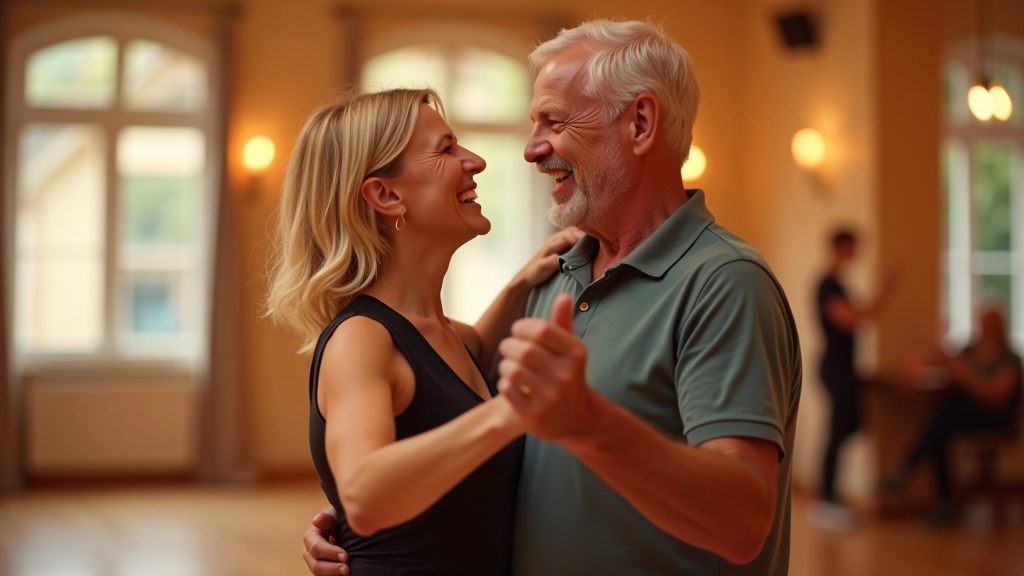
This article presents educational information about research on dance and health. It's not medical advice. Before starting any new exercise program, particularly if you have existing health conditions or concerns, consult with your GP or healthcare provider. They can assess your individual situation and advise whether dance classes are appropriate for you.
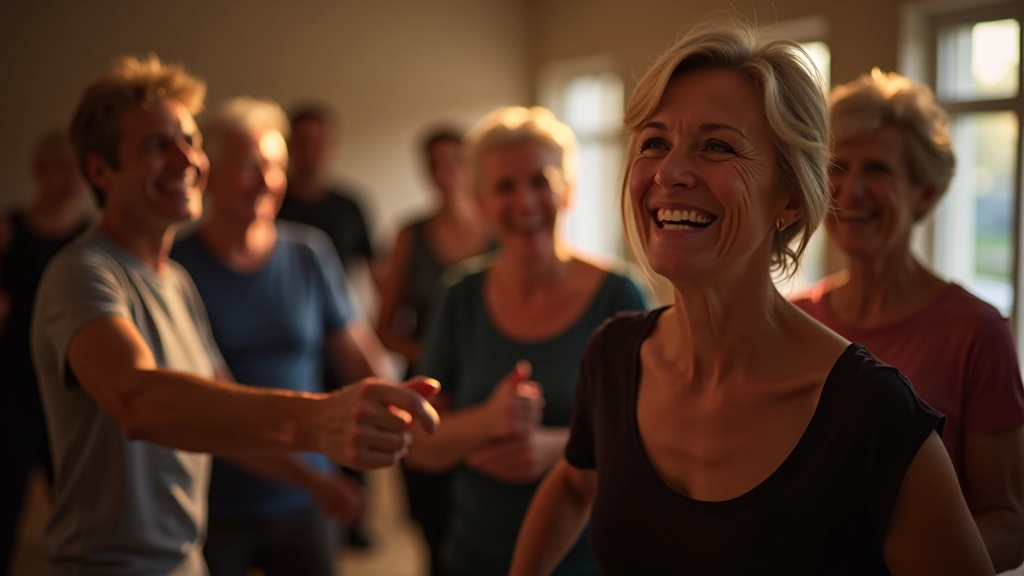
Loneliness is a genuine health risk. Studies show that isolation has health impacts similar to smoking or obesity. Dance addresses this directly. You're in a room with other people working toward the same goal, celebrating progress, supporting each other when someone struggles with a step.
Most dance communities develop genuine friendships. People grab coffee after class. They attend performances together. They become part of something larger than themselves. This sense of belonging has measurable health benefits — lower stress, better immune function, improved longevity.
If you're considering classes in Dundalk, Navan, or elsewhere in Ireland, this community aspect is real. You're not just learning steps. You're joining a group of people who value movement, music, and connection.
Dancing after 45 isn't just a hobby or a way to pass time. It's a scientifically supported way to improve your cardiovascular health, balance, mental wellbeing, and social connection. You'll likely feel the benefits within weeks — more energy, better mood, improved stability. The research supports what dancers already know: this works.
If you've been thinking about trying it, there's no better time than now. You don't need to be coordinated or fit. Every dancer started exactly where you are. The community is welcoming. Your body will thank you.