First Steps in Bachata: A Beginner's Introduction
Learn the basic rhythm, frame, and foundational steps that form the core of bachata dancing. We'll break down what makes this dance so accessible for newcomers.

Why Bachata Is Perfect for Beginners
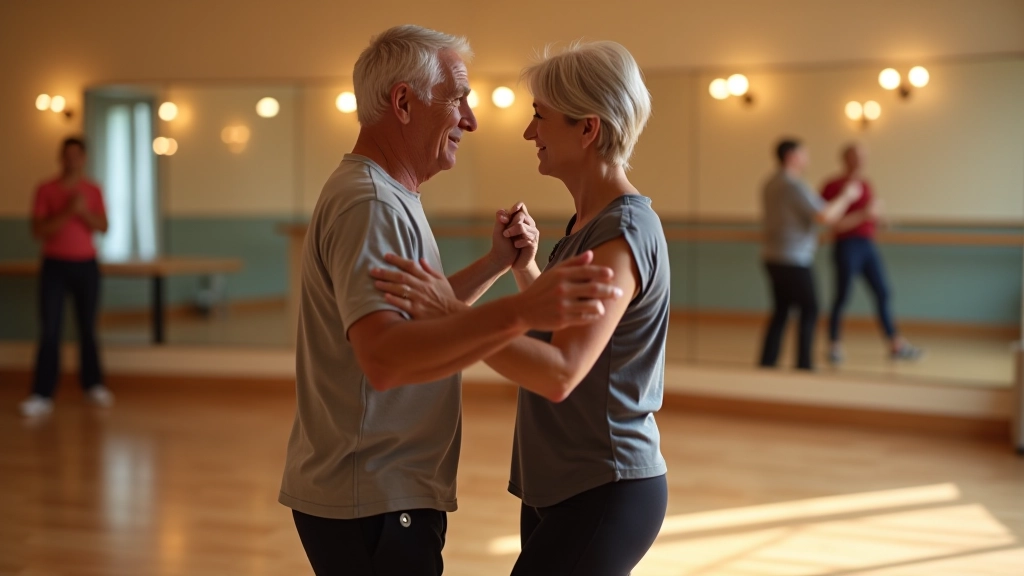
Bachata isn't as intimidating as it looks. The dance comes from the Dominican Republic and it's fundamentally about connection — between you and your partner, and with the music itself. What makes it brilliant for newcomers is the rhythm. Unlike some dances that demand lightning-fast footwork, bachata's got a steady beat you can actually follow. Most people pick up the basic step within the first few minutes. Seriously.
The frame — that's how you hold yourself and your partner — might feel awkward at first. But once you understand the positioning, everything clicks into place. You're not fighting the music. You're moving with it. And that's what makes bachata so satisfying to learn.
The Basic Step: Understanding the 8-Count
Every bachata movement lives within an 8-count rhythm. That means 8 beats of music, and you'll move through your steps in sync with those counts. The pattern goes: 1-2-3 (pause on 4), 5-6-7 (pause on 8). So you're actually moving for 6 counts and pausing for 2. That pause is crucial — it's where the magic happens, where you can add a hip movement or adjust your connection with your partner.
The basic step itself is straightforward. Lead steps forward on 1, closes on 3. Then back on 5, closes on 7. The follower mirrors this, but going backward first. It's like a simple box step — forward, side, close, then back, side, close. Once you've got this down (and it won't take long), you've got the foundation for everything else in bachata. The footwork isn't fancy. It's clean. It's controlled. And it works.
The Frame: Connection Is Everything
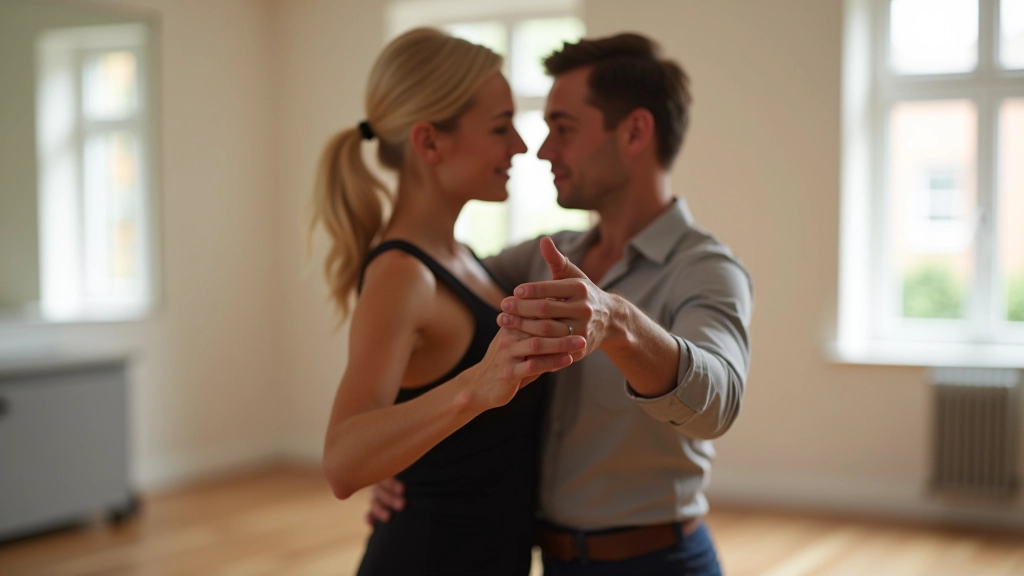
Your frame is how you connect with your partner. In bachata, you'll typically use a closed frame — chest to chest, face to face. The lead's right hand goes on the follower's back (around shoulder blade area), and the follower's left hand rests on the lead's shoulder. Your other hands join together out to the side, roughly at shoulder height. Elbows stay relaxed, not locked.
What makes this work isn't tension. It's actually the opposite. You want your frame to be soft but present. Think of it like holding hands with someone you trust — there's contact, but not a death grip. The lead communicates direction through subtle weight shifts and gentle pressure. The follower responds by following the lead's movement. It's a conversation in motion. And honestly, that's what makes bachata feel so intimate. You're not just dancing side-by-side. You're truly connected.
Finding Your Rhythm: Hearing the Music
Bachata's rhythm is distinctive. The tempo sits around 120-130 beats per minute — steady and relaxed, not rushed. When you're learning, the first thing is just listening. Find the beat. Tap your foot. Feel it in your body. Most beginners catch on within a couple of sessions because the rhythm is so clear.
You'll notice the characteristic four-knock pattern that makes bachata unmistakable — that percussive sound that sits underneath the main melody. Once you hear it, you won't un-hear it. And that's when you'll start moving with it naturally. The hip movement (which comes naturally once you're stepping correctly) isn't something you force. It happens because of how your body settles into the rhythm. Don't overthink it at first. Just step, feel the music, and let your hips follow.
What to Expect in Your First Weeks
Basic Step & Frame
You'll learn the fundamental 8-count step and practice the closed frame. Don't worry if it feels stiff at first. Everyone goes through that phase. Your instructor will show you how to relax into it.
Rhythm & Hip Movement
Once the basic step's in your muscle memory, you'll focus on syncing with the music. The hip movement will start to happen naturally. This is where bachata starts feeling less mechanical and more like dancing.
Connection & Styling
You'll start exploring turns, spins, and styling elements. Your instructor will introduce variations on the basic step. You'll begin to develop your own feel for the dance.
Building Confidence
By this point, you've got the fundamentals down. You're comfortable on the dance floor. You're actually enjoying it. Now it's about deepening your skills and exploring more advanced techniques.
Key Tips for Success
Relax Your Frame
Tension kills the dance. Your frame should feel like a gentle connection, not a locked joint. Breathe. Let your shoulders settle. The more relaxed you are, the better you'll move.
Listen to the Music
Spend time outside class listening to bachata. Let your ear get used to the rhythm and the characteristic sound. When you recognize the beat in your bones, dancing gets infinitely easier.
Practice the Steps Solo
Don't always wait for a partner. Practice the basic step at home. Feel it in your body. Once you've got muscle memory, partnered dancing becomes less about thinking and more about feeling.
Switch Partners
In class, dance with different people. Every partner feels different. You'll learn how to adjust, adapt, and develop better connection skills faster by experiencing various dance styles.
Common Beginner Challenges (And How to Overcome Them)
I Feel Awkward in the Frame
This is completely normal. Your body's getting used to a new position and a new way of moving. Within a few classes, it'll feel more natural. Talk to your partner. Let them know you're still learning. Most people are patient and encouraging. The awkwardness fades faster than you'd think.
I Keep Losing the Beat
Don't panic. Even experienced dancers occasionally lose the beat. The trick is to keep moving. Don't freeze up. Tap your foot, find the music again, and catch back on. It'll happen less frequently as your ear develops. Give it time.
My Partner Keeps Trying to Lead/Follow Too Strongly
Communication is key. If the lead is over-leading, the follower can gently resist and maintain their own frame. If the follower isn't following clearly, the lead needs to relax the pressure and use softer signals. Talk about it after class. Most issues come from misunderstanding, not malice.
My Hips Aren't Moving Like Everyone Else's
Hip movement is individual. What works for one person might not work exactly the same for another. Focus on stepping correctly, and the hips will follow naturally. Don't force it or try to copy someone else's movement exactly. Your body will find its own rhythm.
Disclaimer
This article is educational in nature and designed to introduce the fundamentals of bachata dancing. Individual experiences vary based on personal fitness level, prior dance experience, and physical condition. If you have any health concerns or physical limitations, consult with a healthcare professional before starting dance classes. Dance instruction should always be provided by qualified, certified instructors in a safe, supervised environment. The information provided here is a general guide and not a substitute for professional dance instruction.
Your Bachata Journey Starts Now
Bachata isn't complicated. It's welcoming. The rhythm is clear, the frame is logical, and the steps build naturally from a simple foundation. What makes it special is the connection — with the music, with your partner, and with yourself as a dancer.
You don't need to be young or fit or coordinated to start dancing bachata. You just need to show up, listen to the music, and be willing to try. The rest follows. Most beginners find their groove within a few weeks. You'll move past that initial awkwardness. You'll catch the rhythm. And then — that's when the real joy of dancing kicks in.
If you're thinking about starting, stop thinking and start moving. Find a beginner-friendly class in your area. Step into that studio. Feel the music. And let bachata teach you what your body's been waiting to express.