How to Choose the Right Dance School in Dundalk and Navan
Not all dance schools are created equal. Learn what to look for: qualified instructors, class atmosphere, program structure, and how to visit before committing.

Why Your First School Matters
Starting dance is exciting. But here's the thing — choosing the wrong school can make those first weeks frustrating instead of fun. You'll know within the first lesson if a place is right for you. The instructors either get how to teach beginners, or they don't. The studio feels welcoming, or it doesn't. The class atmosphere encourages you to try again next week, or it leaves you thinking twice.
We've seen it happen plenty of times. Someone walks into a class that's too advanced. The instructor assumes everyone knows the basic step. Half the class is doing advanced patterns. The new person feels lost within five minutes and doesn't come back. That's not their fault. It's the wrong match.
Check the Instructors First
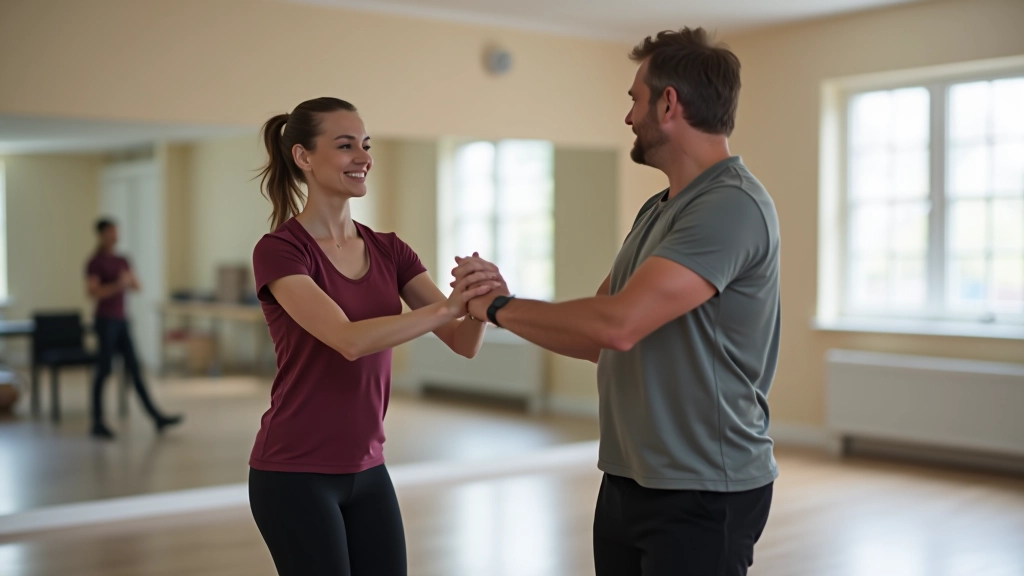
The instructor is everything. You want someone who's trained, yes. But you also want someone who remembers what it's like to be new. Ask these questions:
- How long have they been teaching? Look for at least 5+ years with beginners specifically.
- Do they have formal dance training? Doesn't have to be a championship background — just solid technique.
- Can they explain WHY you're doing a step, not just HOW? The best instructors break things down into small parts.
- Do they give individual feedback or just demonstrate? You'll improve faster with one-on-one corrections.
In Dundalk and Navan, there's a solid pool of teachers. Many have worked together for years. That's actually a good sign — it means there's a real dance community. When you call ahead, ask if you can watch a class. Most schools will let you sit in for 10 minutes. That's all you need to see if the teaching style clicks with you.
The Atmosphere Matters More Than You'd Think
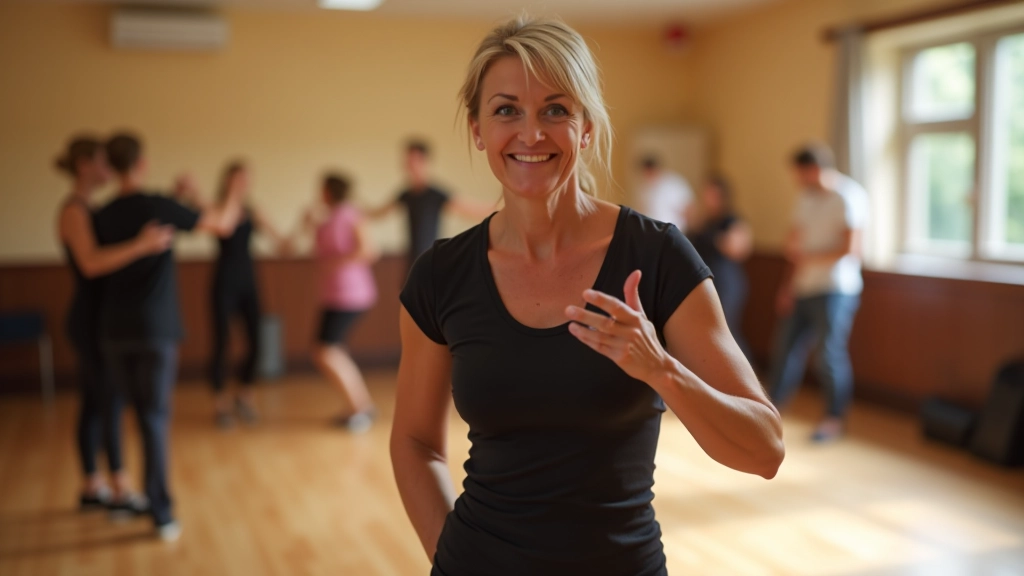
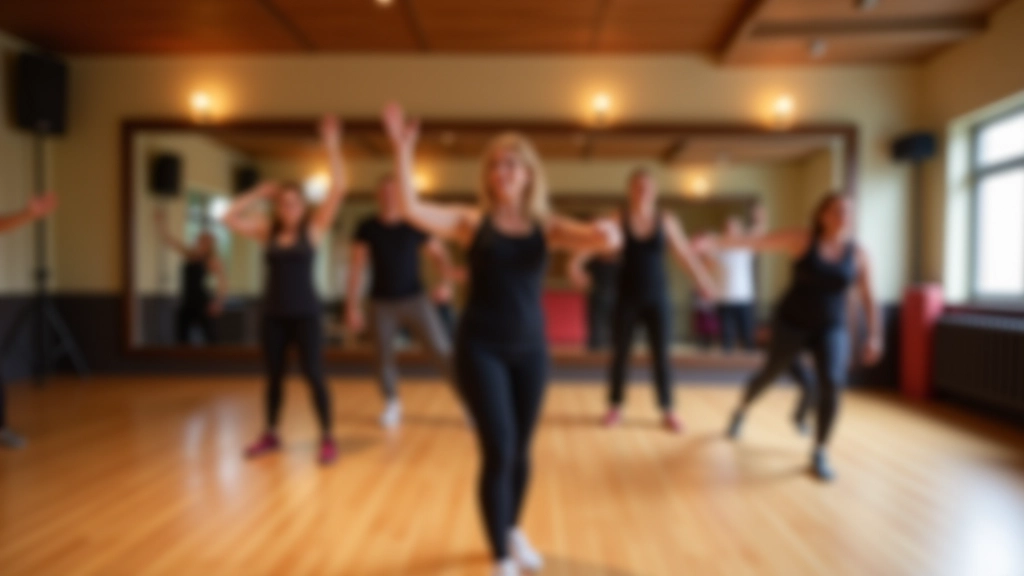
Walk in. What do you feel? Are people chatting and smiling before class starts? Or is everyone standing awkwardly silent? You want a welcoming vibe. Not overly casual — you're there to learn — but genuinely friendly.
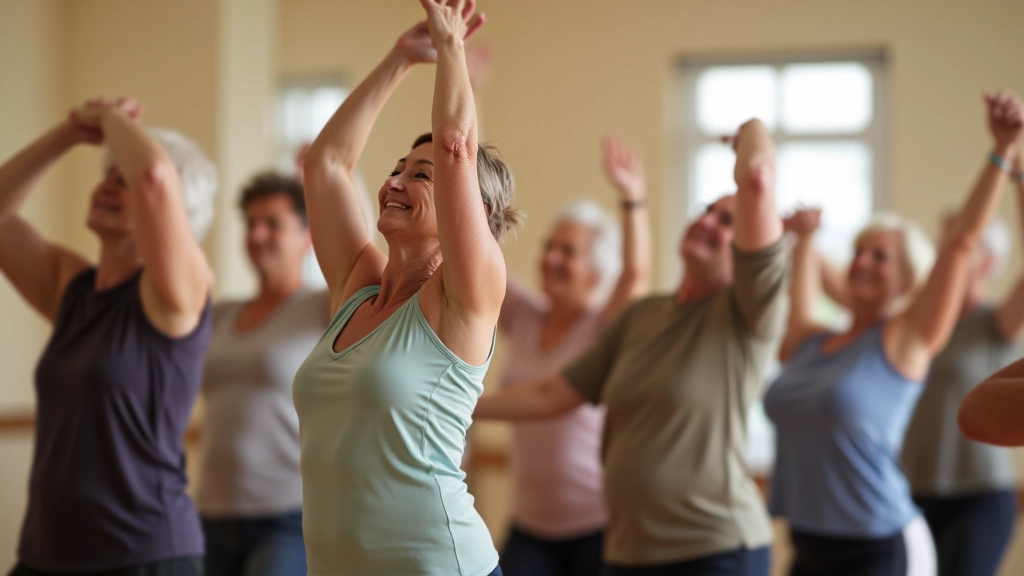
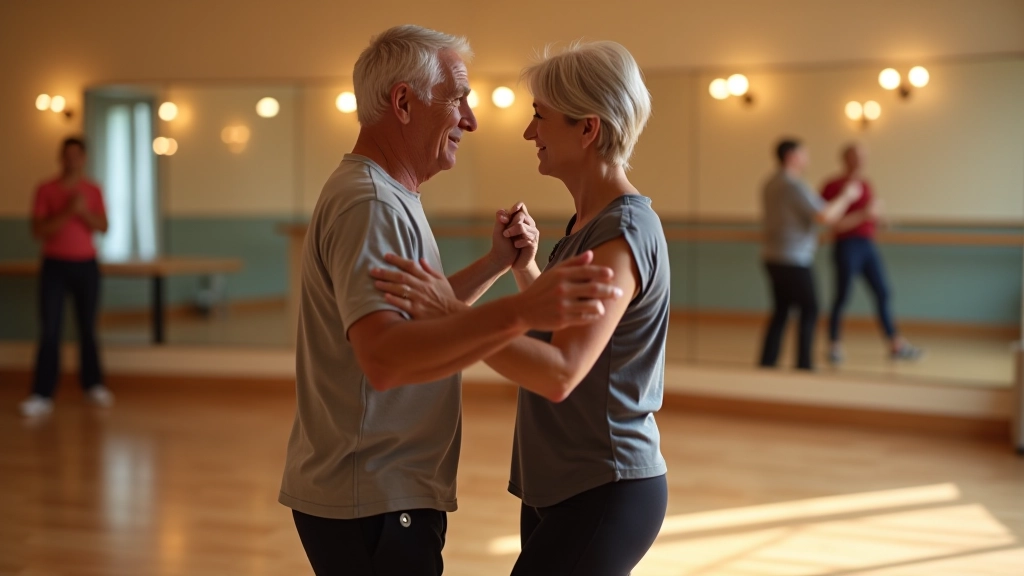
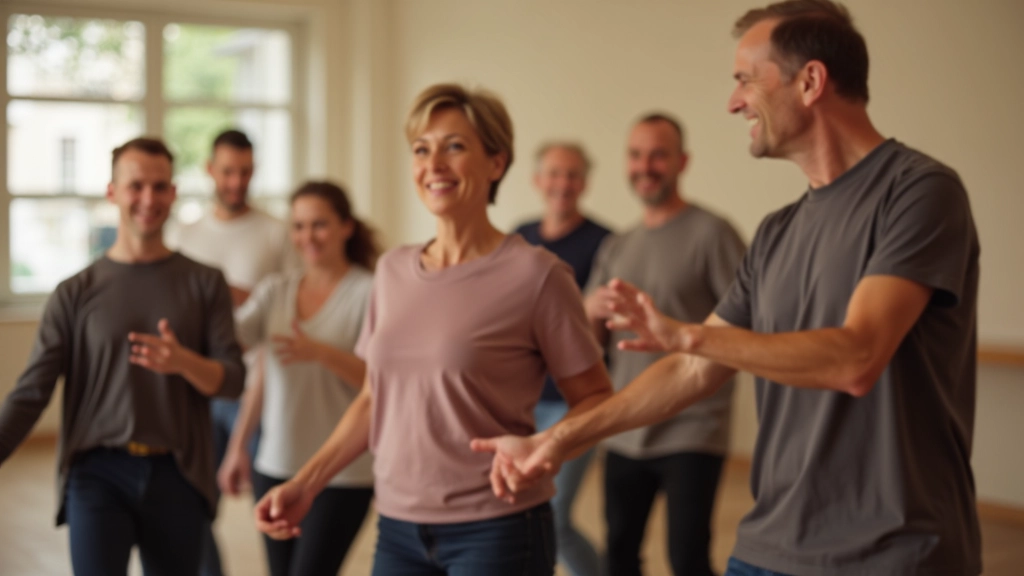
Good signs: Instructor greets newcomers by name. People help each other remember steps. There's a mix of ages (especially important if you're starting later in life). Nobody's making you feel rushed or judged if you mess up.
Red flags: Instructor ignores beginners and focuses only on advanced students. Everyone seems cliquish. You're given zero explanation — just told to "follow along." People look bored or stressed rather than enjoying themselves.
Pro tip: Go back for a second class visit if you can. Sometimes the first class is weird for reasons unrelated to the school. Two visits gives you a clearer picture.

Understand the Program Structure
Different schools organize classes differently. Some run drop-in sessions. Others have structured 8-week blocks. Both can work — it depends on your schedule and learning style.
Ask specifically:
- What's the session format? Weekly classes vs. structured courses? Both have advantages.
- How many students per class? Fewer than 12 is ideal for beginners. Any more and the instructor can't give individual attention.
- What's the progression? Do they clearly separate beginner, intermediate, and advanced? Or is everything mixed?
- Are there social dance events? Real progress happens when you dance with partners outside class. Good schools host regular socials.
In Dundalk and Navan, most schools run evening and weekend classes specifically for working adults and people with busy schedules. That's good — it means the instructors understand real life. Look for schools with 2-3 class times per week so you can build consistency.
Facilities: Basic Standards Matter
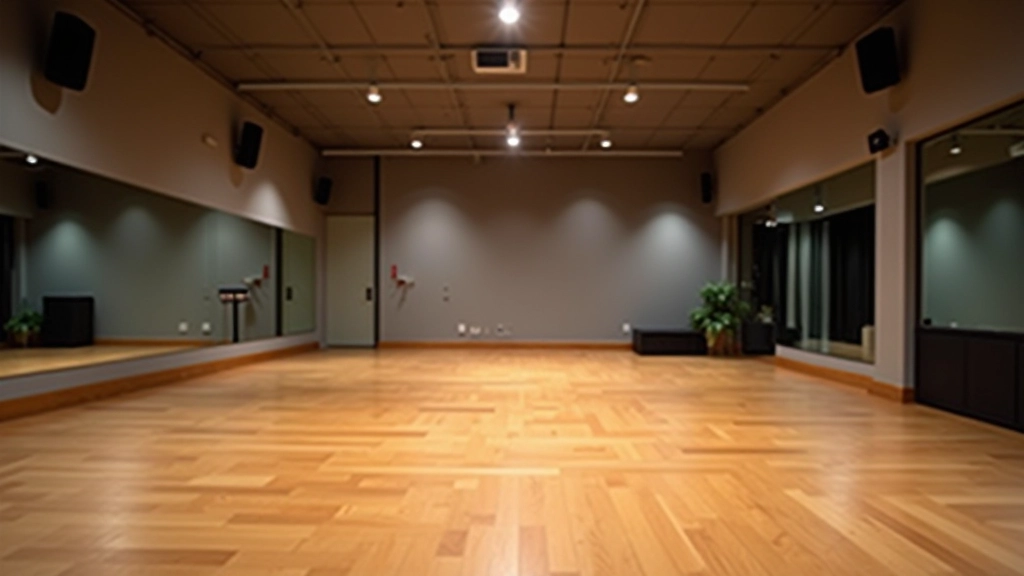
You don't need fancy. But you need clean and safe. Check for:
Sprung or wooden floor (not concrete or tile — bad for
joints)
Mirrors so you can see yourself and the instructor
Sound system that actually works and isn't too loud
Changing area and toilets that are clean
Good ventilation so you're not dancing in a sauna
Don't get distracted by fancy extras. A beautiful studio with great lighting is nice. But if the floor hurts your knees or the instructor is dismissive, none of that matters. Focus on the essentials.
The Questions to Ask When You Call
Don't overthink this. Here's a simple script you can follow:
Schedule & Timing
"Do you have beginner classes that fit my schedule? What days and times?" Listen for flexibility. Good schools offer multiple time slots.
First-Time Experience
"Can I observe a class before signing up?" This matters. If they won't let you watch, that's a warning sign.
Instructor Background
"How long has the instructor been teaching? Do they specialize in beginners?" You want experience with people just starting out.
Class Size
"How many people are usually in a beginner class?" Aim for 8-12 students maximum.
Commitment Level
"Do I need to commit to a full term or can I drop in?" Some people need flexibility. Others prefer structure. Know what works for you.
Social Events
"Do you have dance socials or practice nights?" This is where real learning happens — dancing with partners in a relaxed setting.
Trust Your Gut
At the end of the day, you'll know if a school feels right. You'll walk in and sense whether the instructor genuinely wants to help beginners improve. You'll notice if people are enjoying themselves or just going through the motions. You'll feel whether you'd be happy coming back next week.
In Dundalk and Navan, there are good options. Take time to explore a few. Watch a class. Ask questions. Don't rush into a commitment based on convenience or a nice website. The best school is the one where you feel welcome, where the teaching makes sense, and where you're genuinely excited to improve.
Your first few weeks of dance set the tone for everything that comes after. Choose a school that invests in your success, not just your money.
Disclaimer
This article is provided for educational and informational purposes. The guidance here reflects general principles for selecting a dance school, but individual circumstances vary. Before starting any new physical activity, particularly if you have existing health conditions or injuries, consult with a healthcare professional. Dance school quality, instructor experience, and program structure differ by location. Visit schools in person and speak with current students for the most accurate assessment of fit.
Related Articles